Egmont Key is this site's namesake for a reason: an unbridged island with a working 1858 lighthouse, a military ghost town, legendary casual snorkeling, and no commerce whatsoever — the anti-theme-park an hour from two cities. The complete plan:
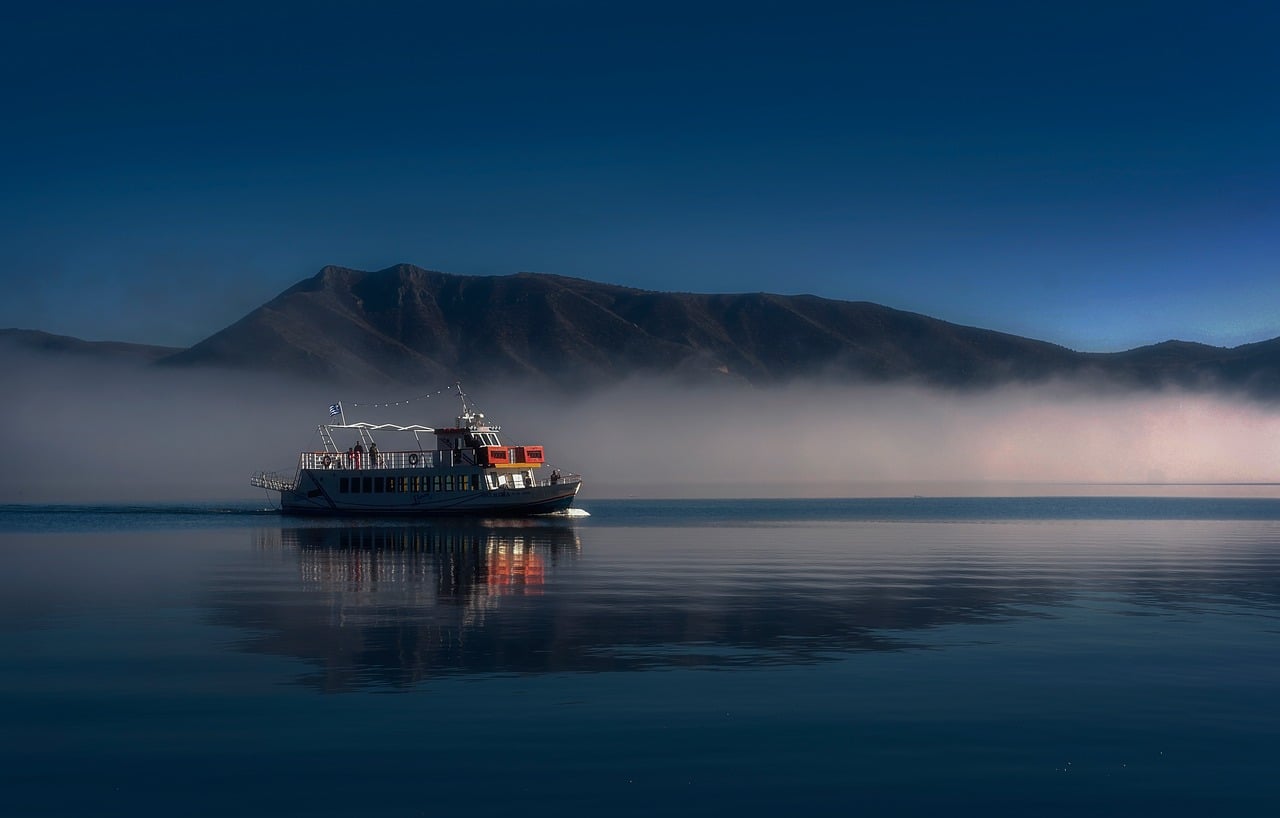
Three ways out, honestly compared. The scheduled ferry from Fort De Soto is the standard: a thirty-minute crossing (dolphins most trips), several hours ashore, and the island at your own pace — the pick for walkers, history people, and anyone packing a proper beach day. The snorkel-and-dolphin cruises (from Fort De Soto and John's Pass) trade ashore time for the underwater half: guided mask-and-fin sessions over Fort Dade's drowned batteries plus a shorter island stop — the pick for first-time snorkelers and the one-day-only visitor who wants both angles. Private boats and kayaks complete the set for the self-sufficient (anchor etiquette and the sanctuary boundaries apply afloat). The completist's answer is two days: ferry one, snorkel the other — the island rewards both speeds.
Ashore, the loop that works. North from the landing to the lighthouse cluster first (morning light, keepers' village foundations), then the brick main street south through Fort Dade's ghost town — magazine mounds, Battery Guy Howard, the tennis court hiding in the palms — with Gulf-side swim stops as the heat dictates and the western shoreline's sea-claimed batteries as the turnaround. Two-to-four hours walks it generously. The southern third is posted bird sanctuary: closed, patrolled, and the actual point of the refuge — the visitor corridor is the concession, not the entitlement.
The rules that keep it Egmont. Gopher tortoises have federal right-of-way — give them the path and the photo distance. Artifacts stay: a century of hardware lies where the Gulf left it and collecting is a federal offense. Pack-in, pack-out means everything including the orange peel. No fires, no drones, leashed expectations about shade — and the snorkel site's boundaries exist because the channel beyond is a shipping lane with traffic that cannot see you.
Packing, because there's no store. Water in double the obvious amount, sun cover you can walk in, food that survives heat, reef-safe sunscreen only, shoes for brick-and-shell ground, and a dry bag if the snorkel's in the plan. The composting facilities near the landing are the island's entire infrastructure; treat the packing list as the admission requirement it effectively is.
The era's caveats. The 2024 hurricanes closed the island for months of recovery, and this coast's storm seasons now rearrange schedules and shorelines as a matter of rhythm — confirm the ferry's current timetable when booking, expect weather scrubs to reschedule graciously, and read the reshaped dunes as part of the island's living story rather than damage to mourn. The lighthouse has watched worse for a century and a half; take the first boat, pack like a sailor, and it's the best day on the bay.